

In today’s industrial printing environment, efficiency, flexibility, and innovation are critical to staying competitive. Flatbed UV printing has emerged as a transformative technology, allowing businesses to produce high-quality, durable prints directly onto a wide variety of materials. By complementing traditional printing methods and enabling more work to be brought in-house, flatbed UV printing has reshaped how industrial organisations approach printing.
Using UV-curable inks that instantly harden under ultraviolet light, flatbed UV printers can print directly onto rigid and irregular surfaces. This makes the technology especially valuable for industries such as manufacturing, advertising, packaging, electronics, and industrial design.
This article explores the technology behind flatbed UV printing, its key benefits for industrial applications, common use cases, and how future developments may further expand its capabilities.
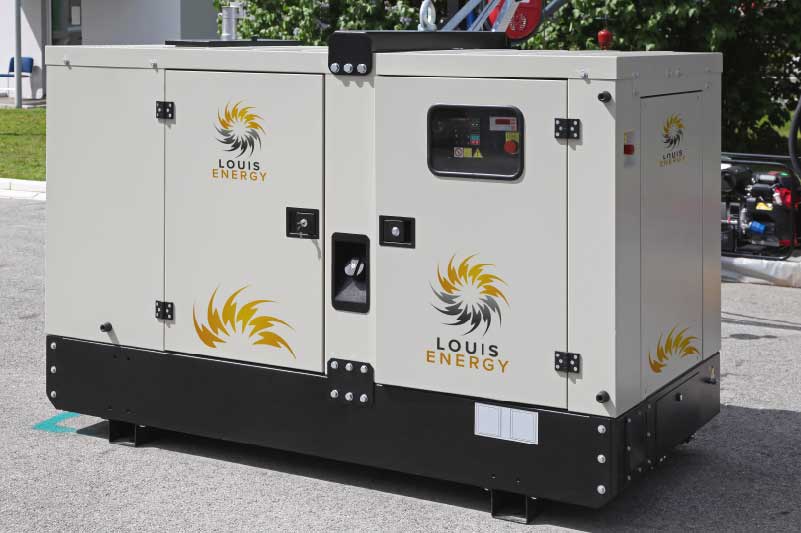
An electrical unit with custom printed panels
Introduction
Industrial printing requirements have changed significantly in recent years. Businesses increasingly demand shorter production runs, faster turnaround times, and a higher level of customisation, all without compromising quality. Traditional printing methods often struggle to meet these expectations efficiently.
Flatbed UV printing addresses these challenges by delivering durable, high-resolution prints on a wide range of substrates. Its ability to print directly onto finished components and products has made it especially appealing for industrial applications where strength, precision, and flexibility are essential.
As more industries seek ways to streamline production, reduce outsourcing, and enhance product value, flatbed UV printing has become a compelling solution. Its adoption continues to grow as businesses recognise its potential to improve productivity, sustainability, and profitability.
The Technology Behind Flatbed UV Printing
Understanding the benefits of flatbed UV printing begins with understanding how the technology works.
UV-Curable Inks
At the heart of flatbed UV printing are UV-curable inks. Unlike traditional solvent-based inks that dry through evaporation, UV inks cure instantly when exposed to ultraviolet light. This process causes the ink to harden into a solid layer on the substrate surface.
Instant curing offers several advantages, including sharper image quality, reduced production time, and enhanced durability. Because the ink does not absorb into the substrate, colours remain vibrant and edges stay crisp, even on non-porous materials.
The Flatbed Printing Process
In flatbed UV printing, substrates are placed directly onto a flat printing bed. The printer jets UV-curable ink onto the surface with high precision, while UV lamps follow immediately behind, curing the ink on contact. This process allows printing on rigid, thick, or irregularly shaped items that would be difficult or impossible with roll-fed systems.
The result is a robust, high-quality print that is ready for handling and finishing immediately after printing.
Benefits of Flatbed UV Printing for Industrial Applications
Flatbed UV printing delivers a wide range of advantages that make it ideally suited to industrial environments.
Versatility and Material Compatibility
One of the most significant benefits of flatbed UV printing is its versatility. The technology can print on materials including wood, glass, metal, plastics, ceramics, acrylic, and composite boards, as well as textured or uneven surfaces.
This flexibility allows manufacturers to use a single printing solution across multiple applications and materials.
Example: A manufacturer producing metal electrical enclosures can print branding, safety symbols, and serial numbers directly onto the finished metal surface, eliminating the need for separate labels.
High Print Quality and Precision
Flatbed UV printers are capable of producing exceptionally sharp, detailed prints with vibrant colours. Because the ink cures instantly, there is no dot spread or ink bleed, making the technology ideal for fine text, intricate graphics, and photographic imagery.
Industries that require premium presentation, such as consumer electronics, cosmetics, or luxury goods, benefit greatly from this level of precision.
Example: Cosmetic packaging printed with flatbed UV technology ensures that logos, typography, and decorative elements are reproduced accurately and consistently.
Durability and Longevity
Industrial environments are demanding, and printed elements often face exposure to abrasion, chemicals, moisture, heat, and UV radiation. UV-cured inks are highly resistant to fading, scratching, and environmental wear, making them well suited to these conditions.
This durability ensures that printed information remains legible and visually consistent throughout a product’s lifecycle.
Example: In automotive manufacturing, flatbed UV printing is used for labels and markings that must withstand exposure to oils, solvents, and extreme temperature changes.
Environmental Friendliness
Sustainability is an increasingly important consideration across all industries. Flatbed UV printing supports environmentally responsible production through low-emission inks and reduced waste.
Roland DG’s latest generation UV inks are GREENGUARD Gold certified, meeting strict standards for low chemical emissions. This makes them suitable for indoor applications and safer for operators and end users.
Additionally, UV printing eliminates the need for drying time, lamination, or additional finishing steps, reducing energy consumption and material waste.
Example: Packaging manufacturers can produce custom, VOC-free packaging on demand, reducing excess inventory and minimising waste from unused stock.
Quick Turnaround and Increased Productivity
Time efficiency is a major advantage of flatbed UV printing. Because UV inks cure instantly, printed items can be handled, assembled, or shipped immediately after printing.
This significantly shortens production cycles and enables faster job turnaround, making UV printing ideal for short runs, urgent orders, and just-in-time manufacturing.
Example: Promotional product suppliers can quickly produce customised items for events or campaigns without the delays associated with traditional printing processes.
Customisation and Personalisation
Customisation is now a standard expectation in many industrial and commercial markets. Flatbed UV printing supports variable data printing, making it easy to personalise products, components, and labels.
Serial numbers, barcodes, QR codes, customer-specific branding, and unique identifiers can all be printed efficiently, whether for one-off items or large production runs.
Example: An industrial equipment manufacturer can add unique serial numbers and customer details directly onto components, improving traceability and perceived value.
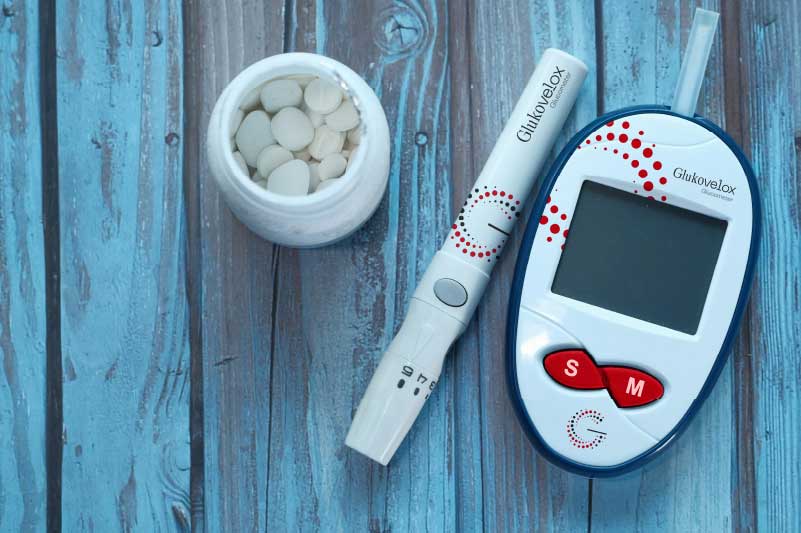
An electronic medical device featuring custom printed logo and text
Reduced Operational Costs
Although the initial investment in a flatbed UV printer can be significant, the long-term cost benefits are substantial. By eliminating the need for solvent inks, drying systems, laminates, and outsourced printing, businesses can significantly reduce ongoing operational costs.
Increased efficiency, reduced labour requirements, and faster production also contribute to improved margins. Additionally, the ability to offer customised, high-value products can open new revenue streams.
Example: A signage and industrial print provider can lower production costs and improve profitability by replacing multiple processes with a single flatbed UV printing solution.
Industrial Applications of Flatbed UV Printing
The versatility of flatbed UV printing makes it suitable for a wide range of industrial applications.
Product Labelling and Branding
Flatbed UV printing enables precise, durable labelling directly onto products and components. Logos, compliance markings, QR codes, and serial numbers remain clear and legible, even in harsh environments.
Example: Electronics manufacturers use UV printing to apply permanent identification markings that last throughout the product lifecycle.
Signage and Displays
The signage and display industry benefits greatly from flatbed UV printing’s ability to print directly onto rigid boards without lamination or vinyl application. This streamlines production while delivering durable, high-impact visuals.
Example: Retail signage and point-of-purchase displays printed with UV technology offer vibrant colour and long-lasting performance for both indoor and outdoor use.
Packaging and Prototyping
Flatbed UV printing is ideal for producing short-run packaging, mock-ups, and prototypes. Businesses can test designs, colours, and finishes before committing to full-scale production.
Example: Cosmetic brands can produce realistic packaging prototypes to evaluate shelf appeal and branding consistency.
Industrial Component Decoration
Manufacturers frequently use flatbed UV printing to mark parts and components with logos, part numbers, and technical information. The durability of UV-cured inks ensures markings remain intact under demanding conditions.
Example: Automotive and machinery manufacturers print directly onto metal and plastic components for easy identification and branding.
Customised Promotional Items
From branded merchandise to corporate gifts, flatbed UV printing delivers high-quality customisation with fast turnaround times, making it ideal for short promotional campaigns.
Example: Marketing agencies use UV printing to create customised promotional items with consistent branding and premium finish.
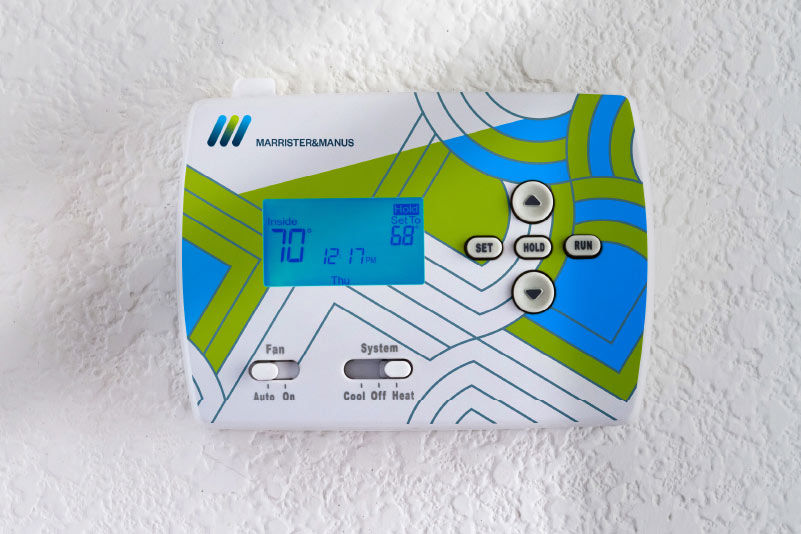
A household thermostat direct-printed with brand colours
Future Developments in Flatbed UV Printing
Flatbed UV printing continues to evolve, with several developments likely to enhance its industrial capabilities.
- Expanded material compatibility, including heat-sensitive and specialty substrates
- Faster print speeds through improved printheads and UV curing systems
- Integration with automation, such as robotic loading and unloading
- Enhanced colour accuracy through advanced colour management software
- Greater sustainability, including biodegradable inks and reduced energy consumption
These advancements will further strengthen flatbed UV printing’s role in industrial production environments.
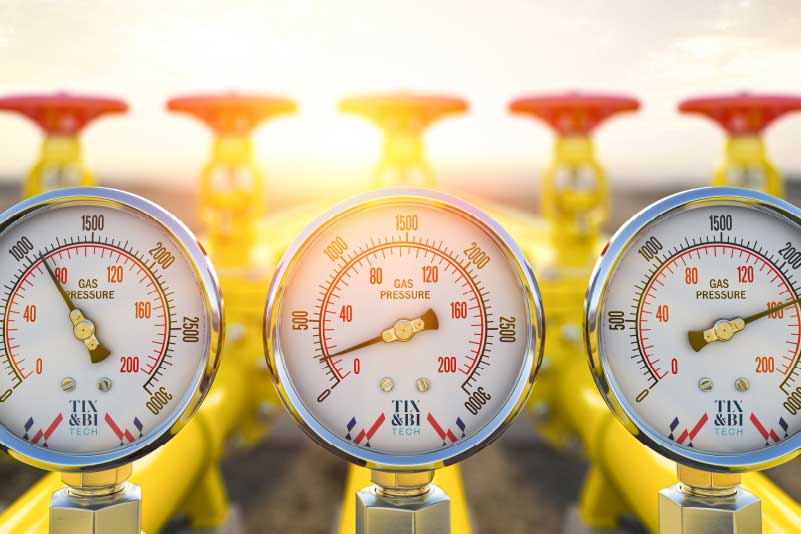
Pressure gauges with UV printed dials
Conclusion
Flatbed UV printing has become a powerful tool for industrial applications, offering unmatched versatility, durability, print quality, and efficiency. Its ability to print directly onto a wide range of materials, combined with fast turnaround times and strong environmental credentials, makes it an increasingly attractive choice for manufacturers and print providers alike.
As technology continues to advance, flatbed UV printing is set to play an even greater role in industrial production, helping businesses improve efficiency, reduce costs, and deliver higher-value products.
Roland offers a range of UV flatbed printers designed to meet diverse industrial needs.
To learn more about UV printing technology or discuss your specific application requirements, speak with a Roland DG expert.